
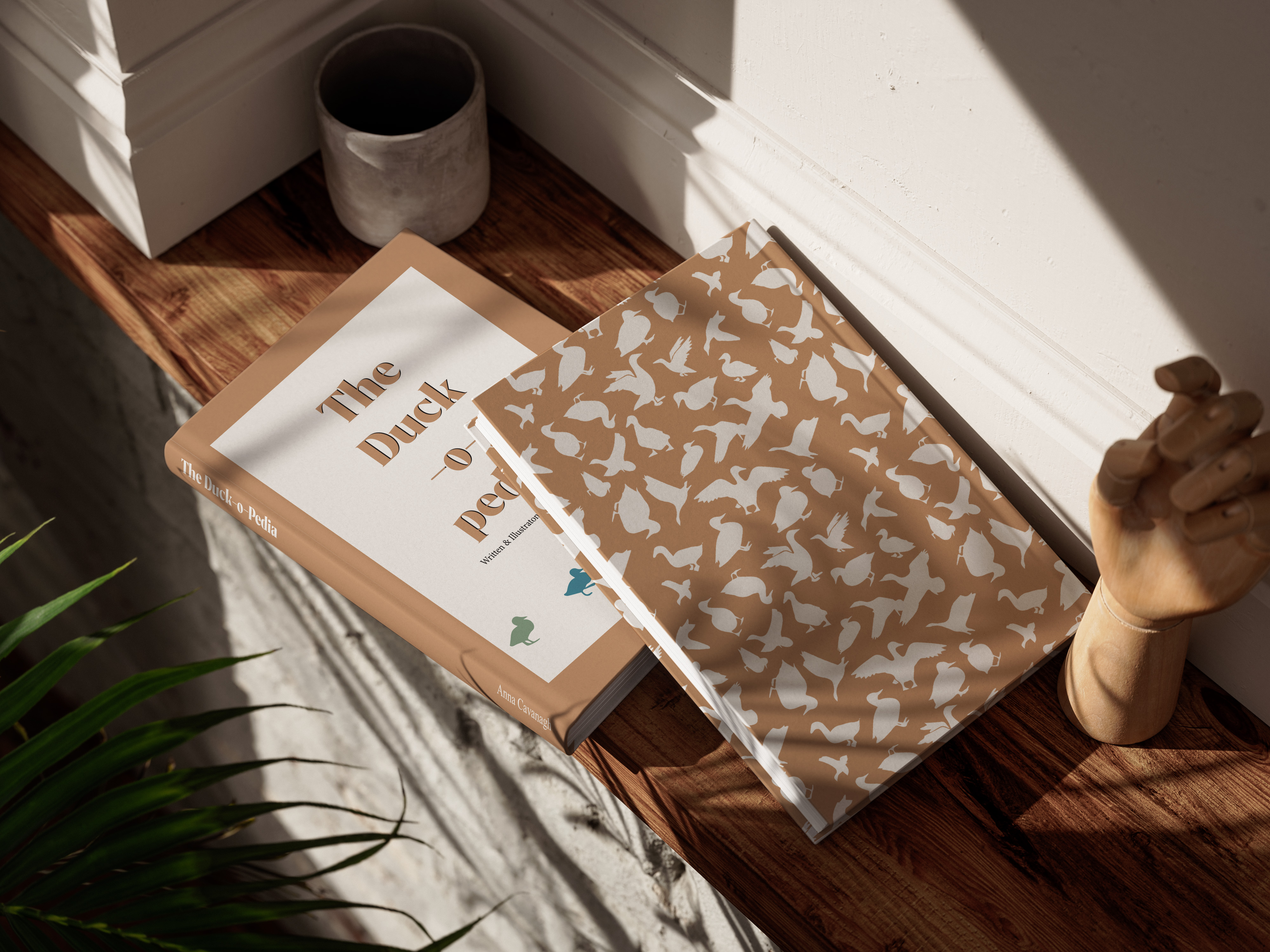
Duck-O-Pedia
Editorial Book Design
Overview
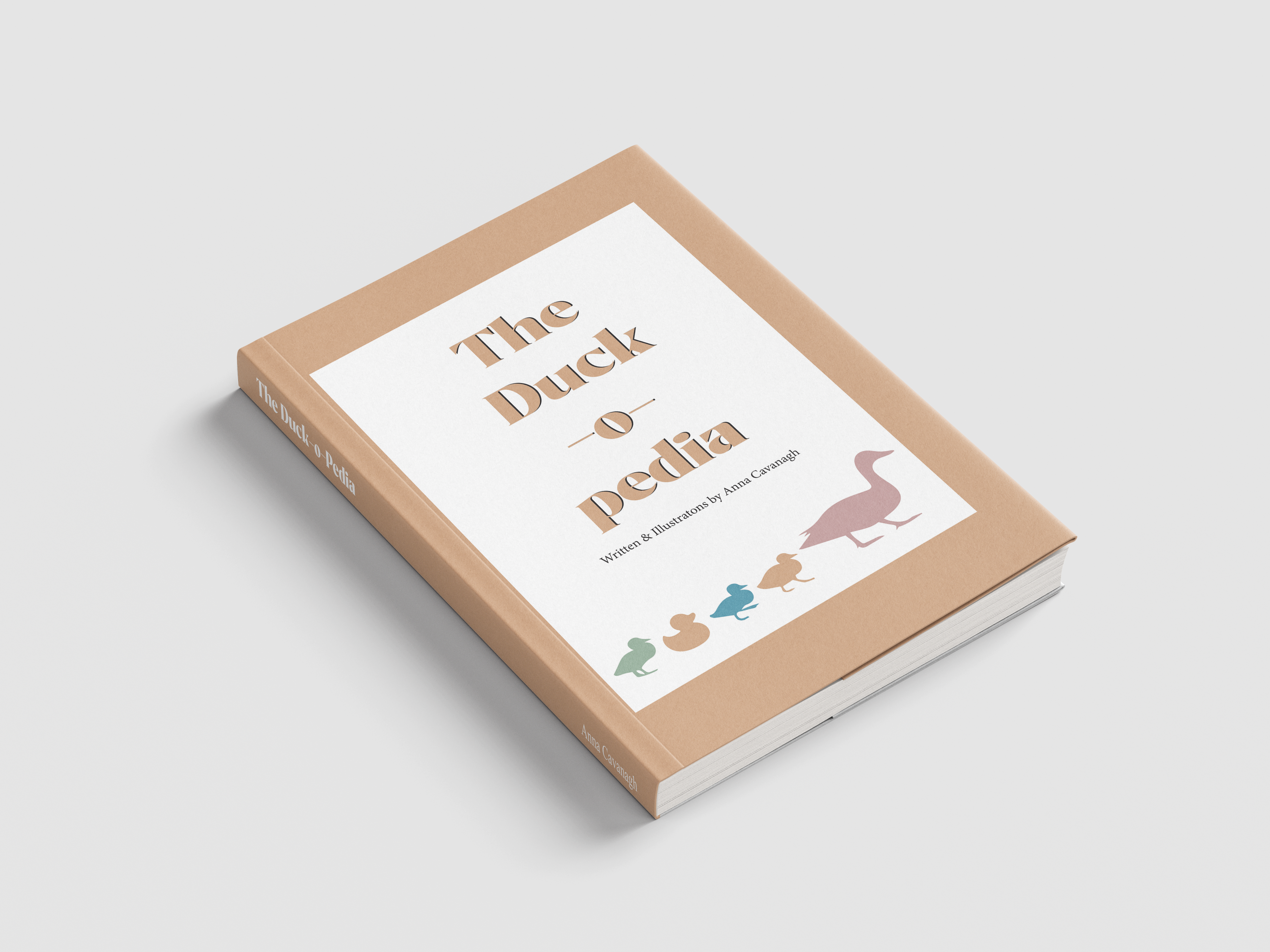
Duck-O-Pedia is a fully designed editorial book that explores how information can be organized and presented in a clear, engaging, and visually cohesive way. The project focuses on building a consistent design system that carries through every page, from the cover to the interior spreads.
The Challenge
The goal was to design a complete book experience that felt unified while still allowing individual pages to remain visually engaging. The challenge was balancing readability with creativity, ensuring that different types of content could live comfortably within a consistent structure.
Design Approach
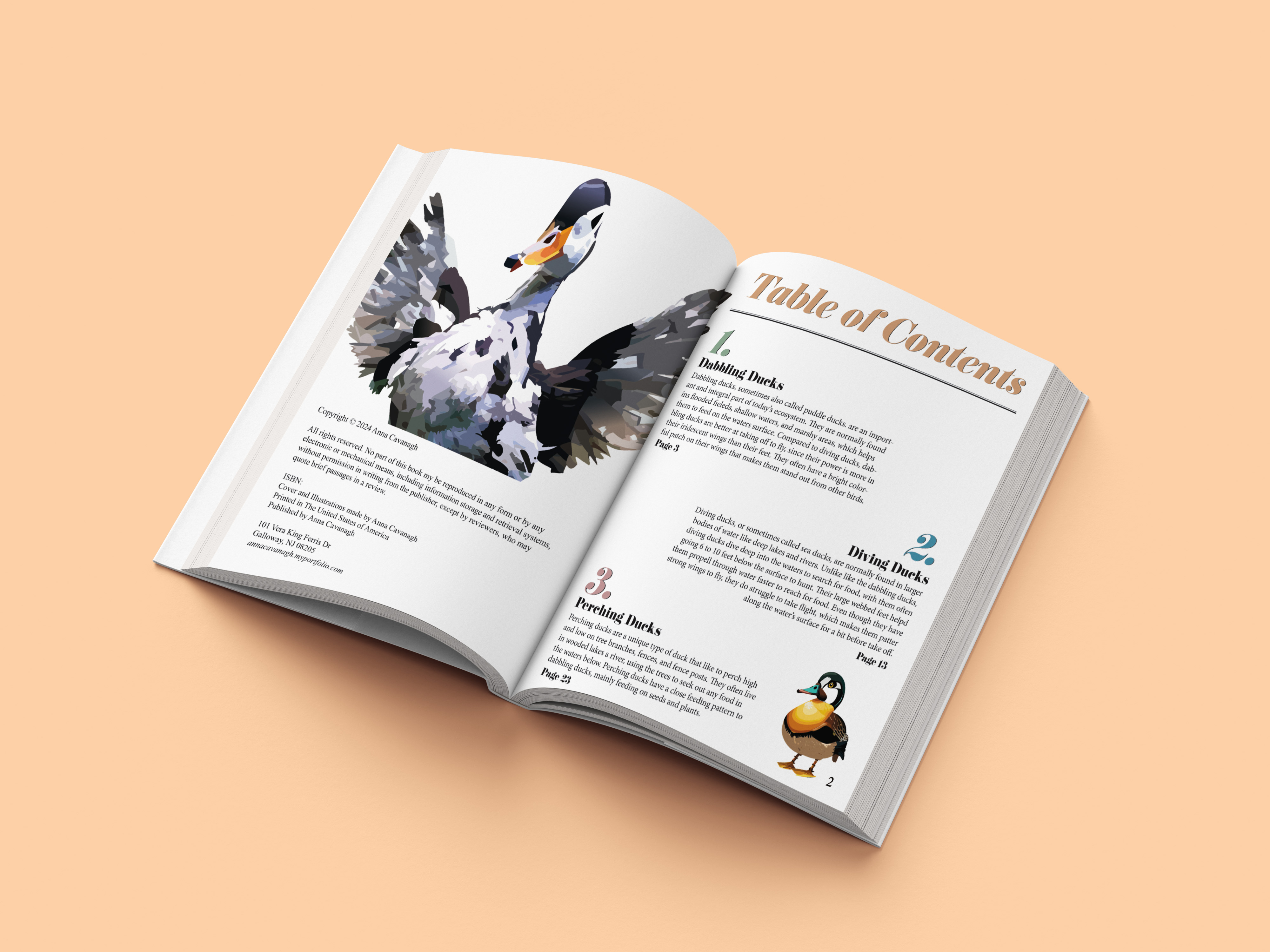
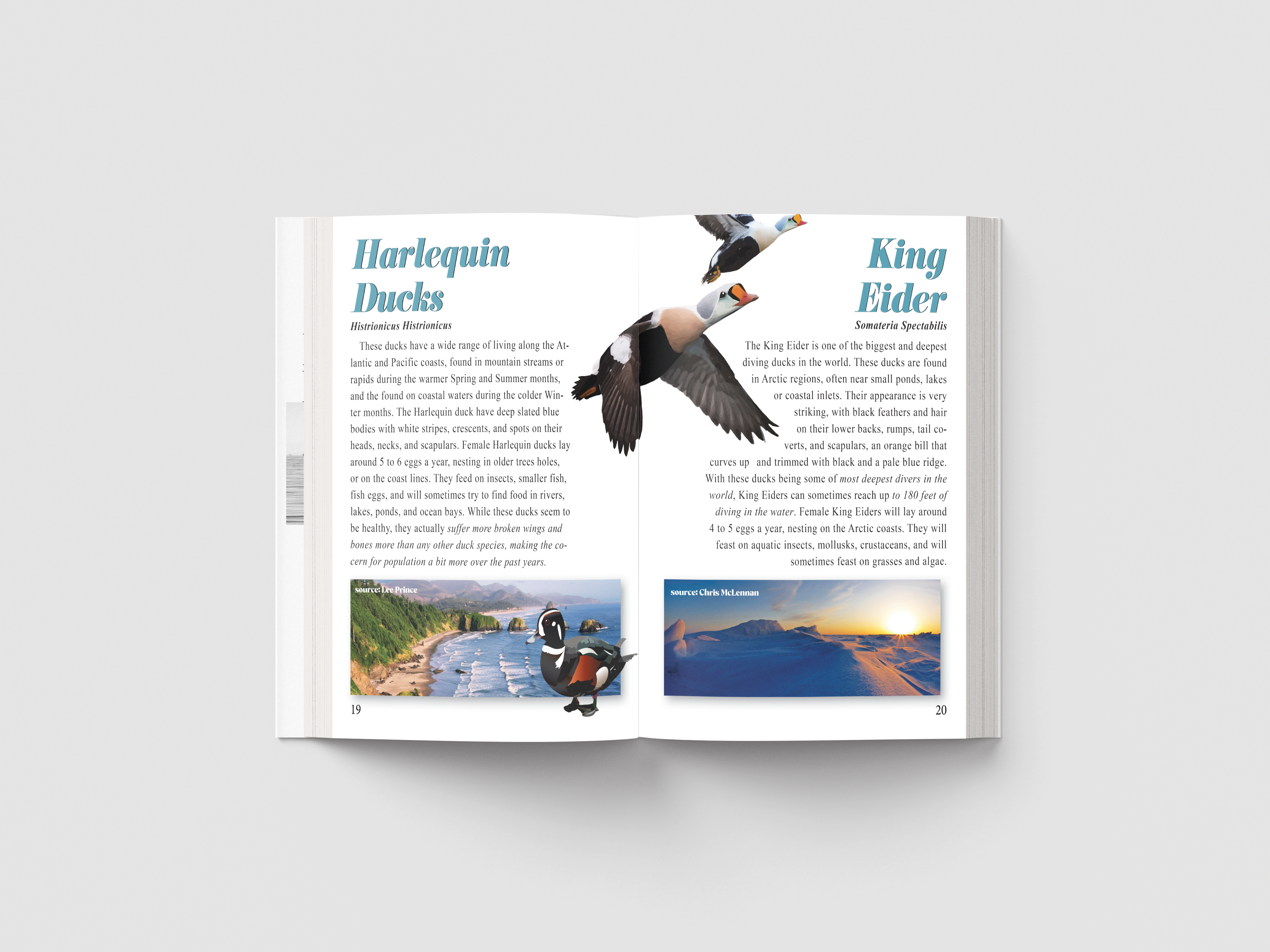
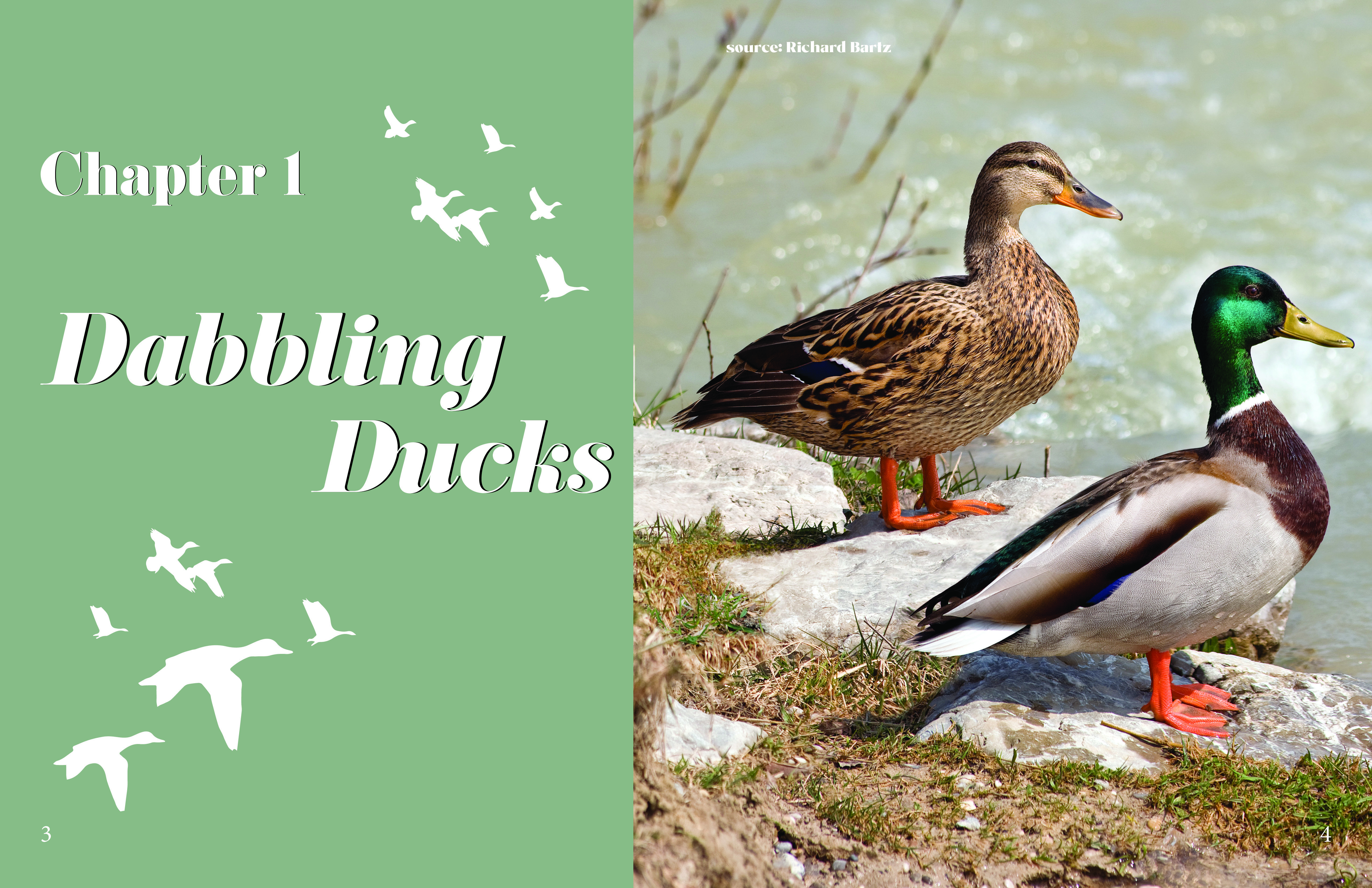
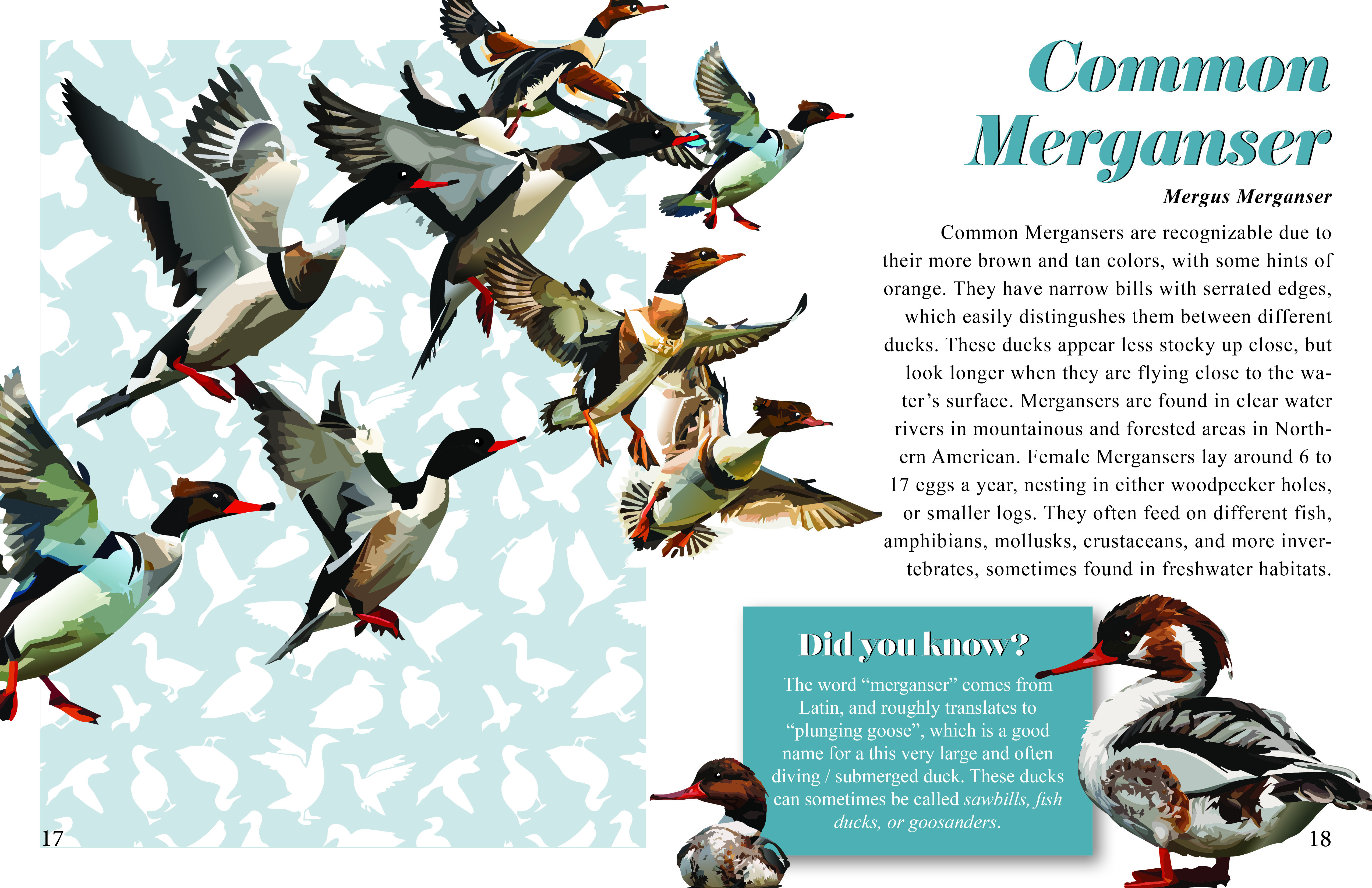
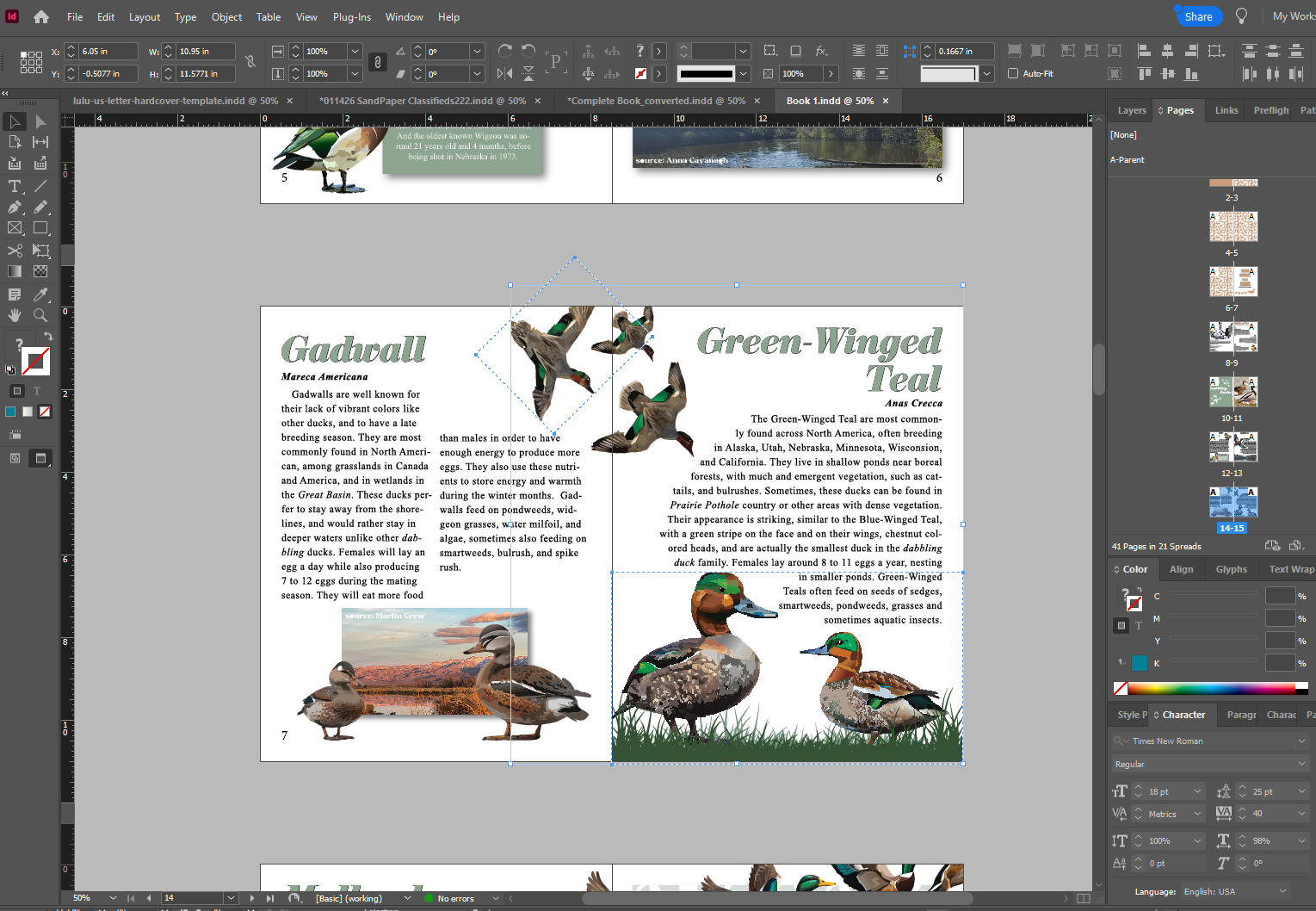
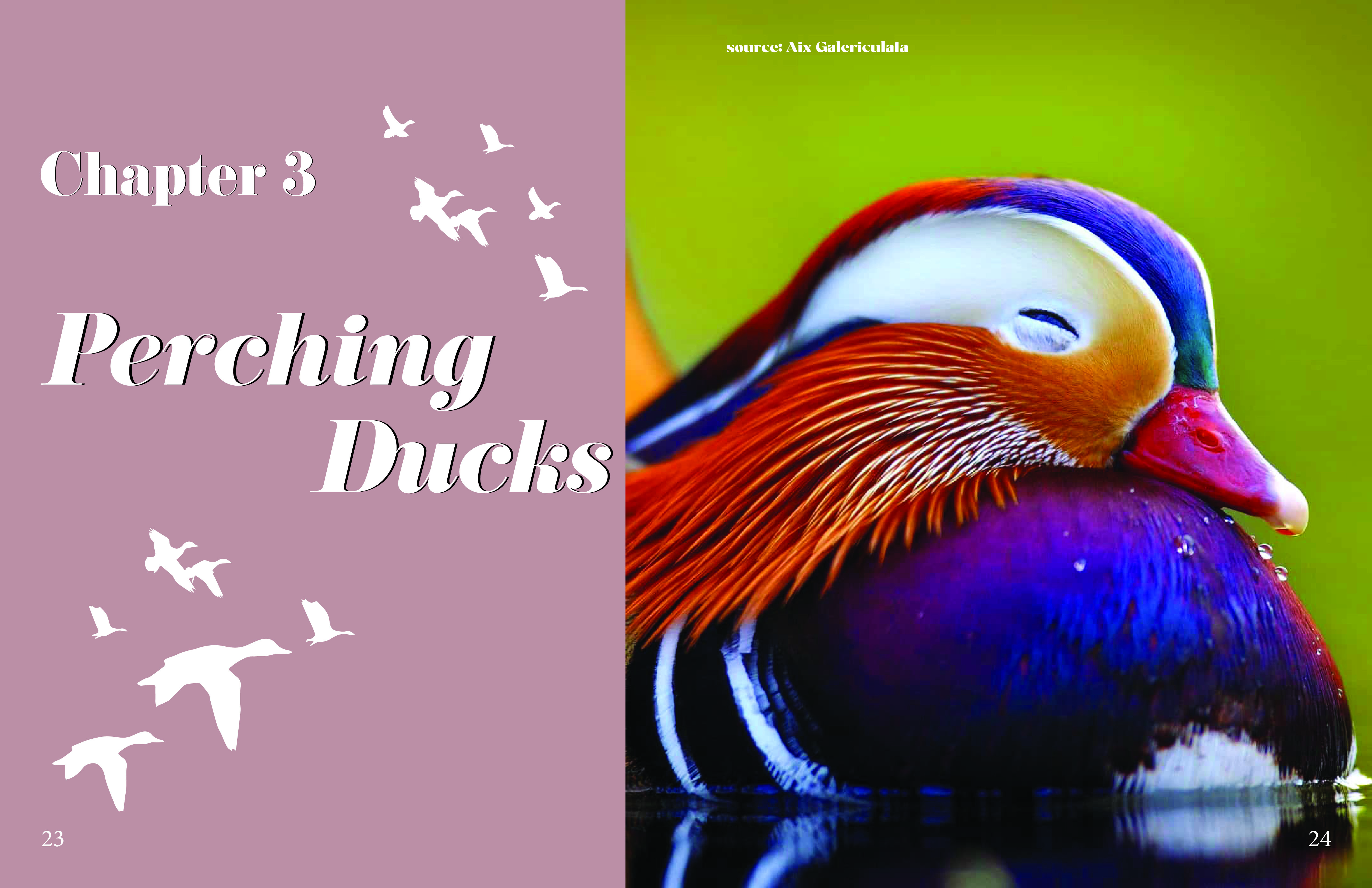
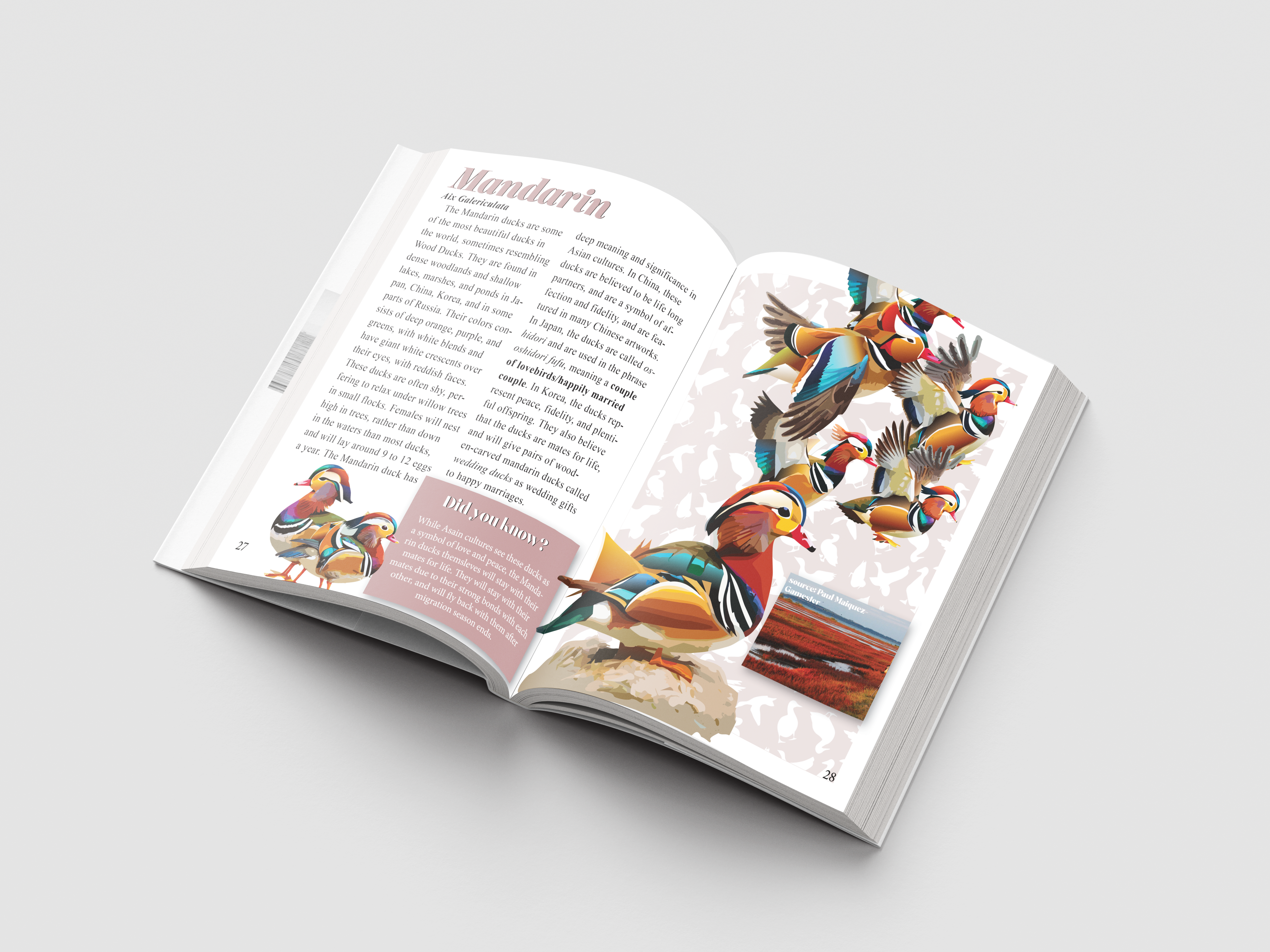
A cohesive editorial system was developed to unify the publication from cover to cover. A structured grid, clear typographic hierarchy, and consistent use of graphic elements guided the layout of every page. Each spread was designed to balance readability with visual interest, ensuring that the content remained easy to navigate while still feeling engaging and dynamic.
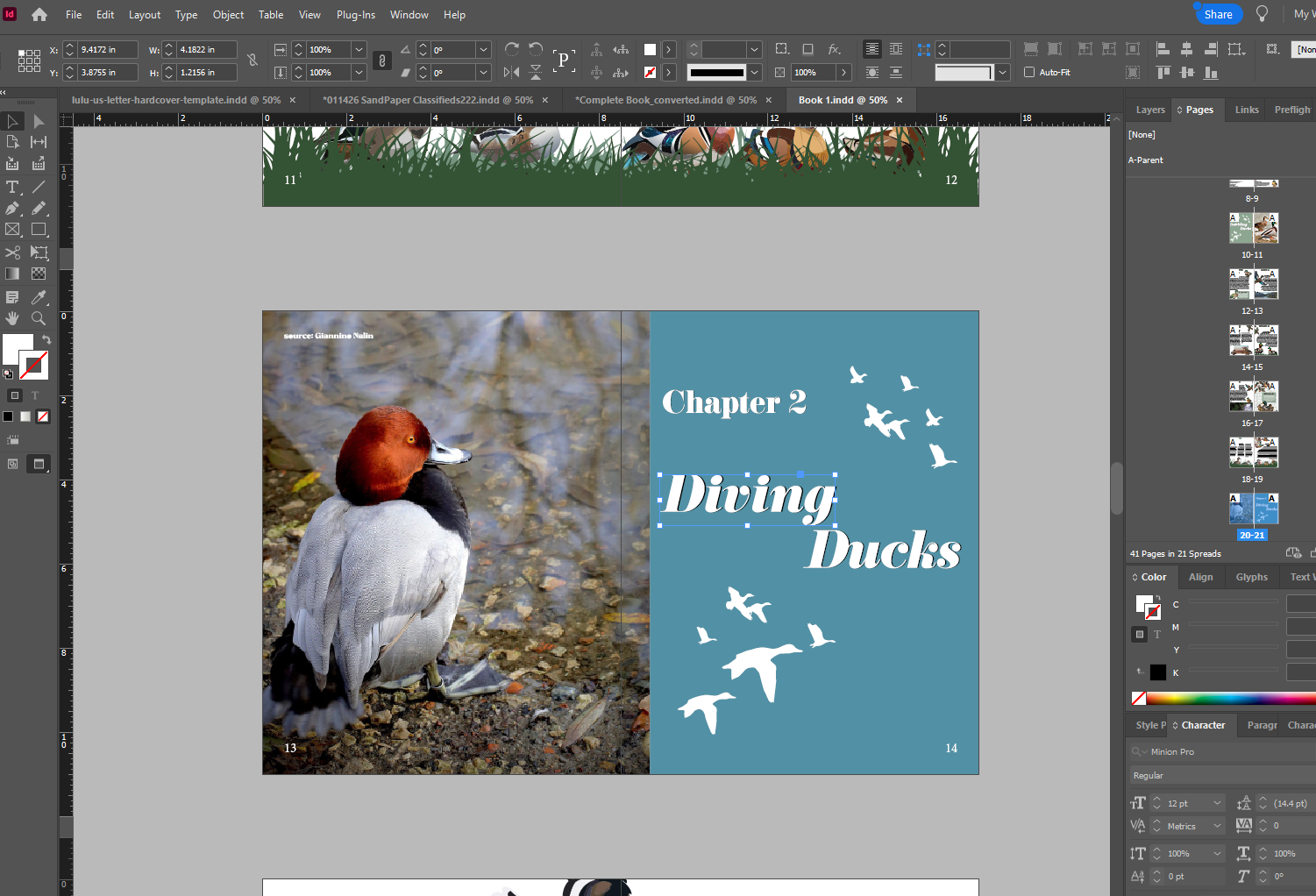
This system was applied across the entire book, including the cover, contents page, and interior layouts, creating a seamless reading experience from start to finish.
Design Process
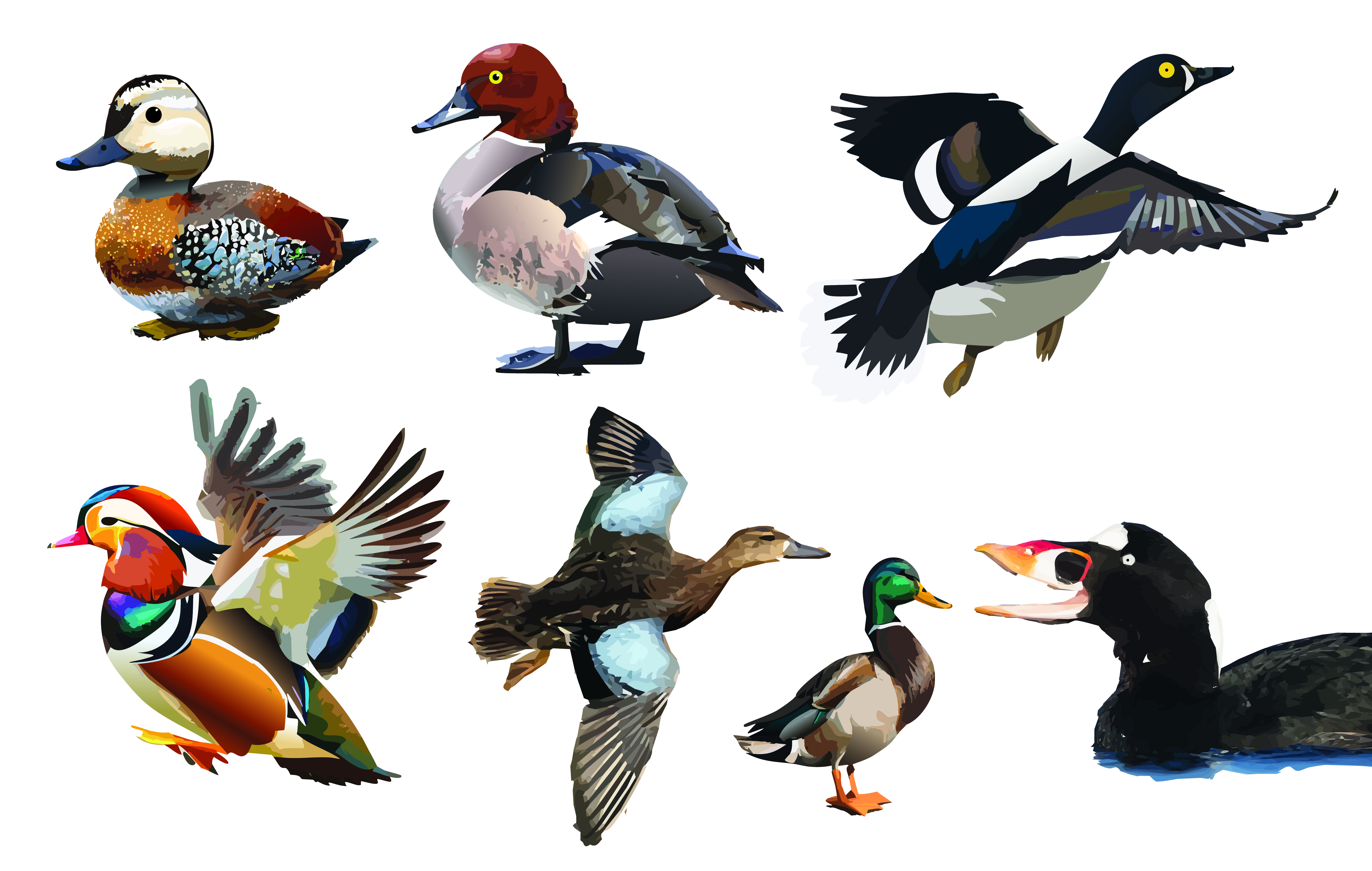
The process began with establishing the visual identity of the book, including typography, layout structure, and supporting graphic elements. Once the system was defined, it was applied across multiple page types to test consistency and flexibility.
Iterative layout development helped refine spacing, alignment, and hierarchy, ensuring that each page worked both individually and as part of a larger system.
Final Outcome
The final Duck-O-Pedia book design delivers a cohesive and structured reading experience, combining editorial clarity with visual personality. The consistent layout system allows content to flow naturally across pages while maintaining strong visual organization and engagement throughout the publication.
Overview
This project demonstrates my ability to create unified editorial systems that bring structure and consistency to multi-page publications. By combining typography, layout design, and visual hierarchy, the final book achieves both clarity and visual engagement across all spreads.